
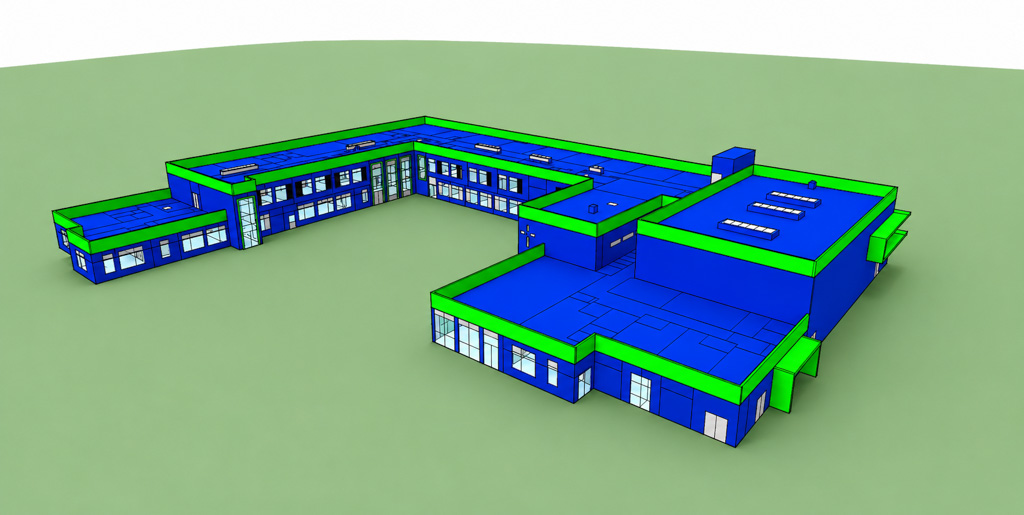
Thermal & Energy Modelling
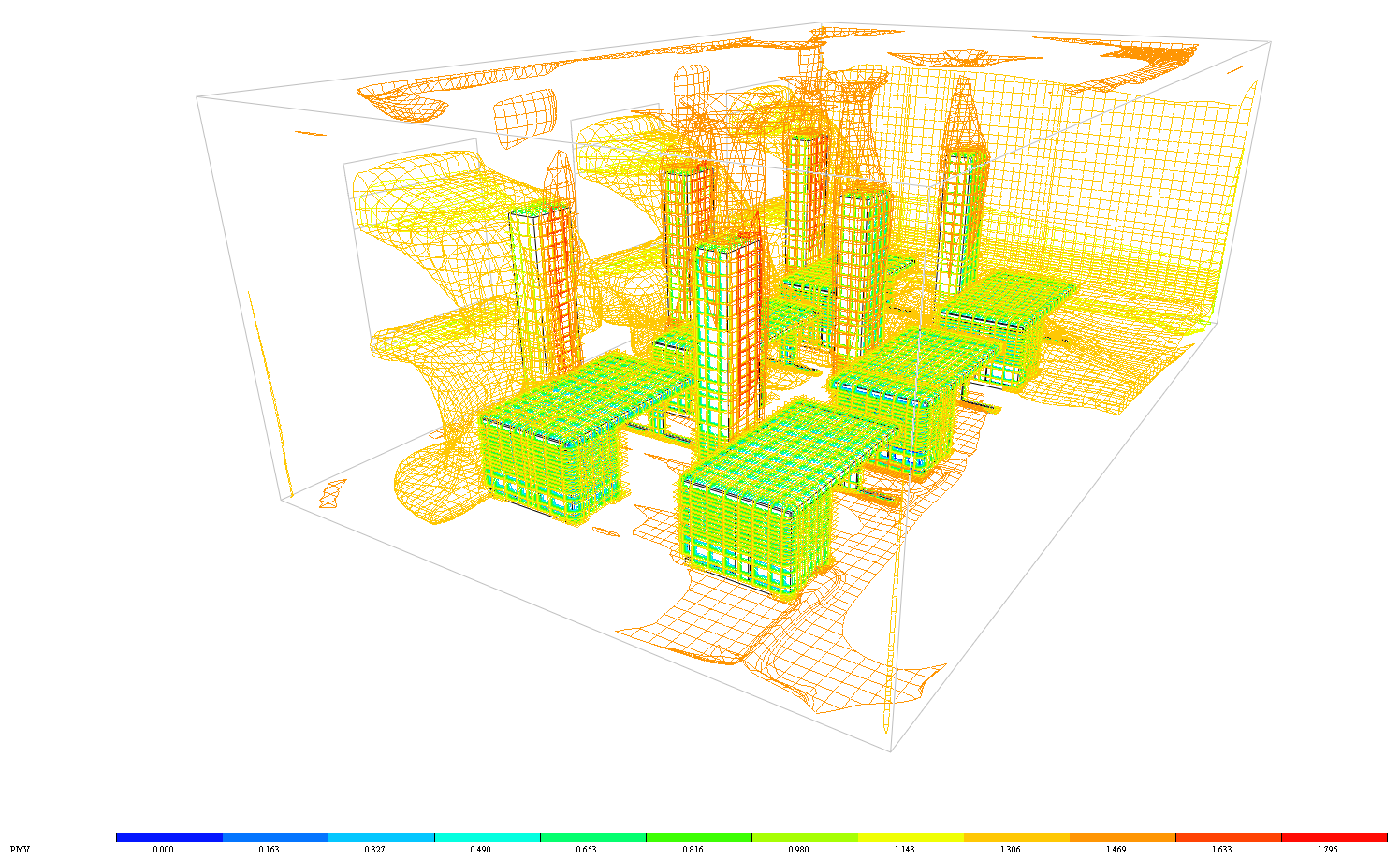
Our Thermal & Energy Modelling Service
Thermal and energy modelling is central to understanding how buildings will perform in use. At SDS, we use advanced modelling techniques to inform design decisions from the earliest stages, helping to optimise energy performance, ensure compliance and support the delivery of comfortable, low-energy buildings.
Our approach combines dynamic simulation with regulatory modelling, allowing us to provide both compliance-based outputs and deeper insight into real-world building performance.
Dynamic Simulation & Performance Analysis
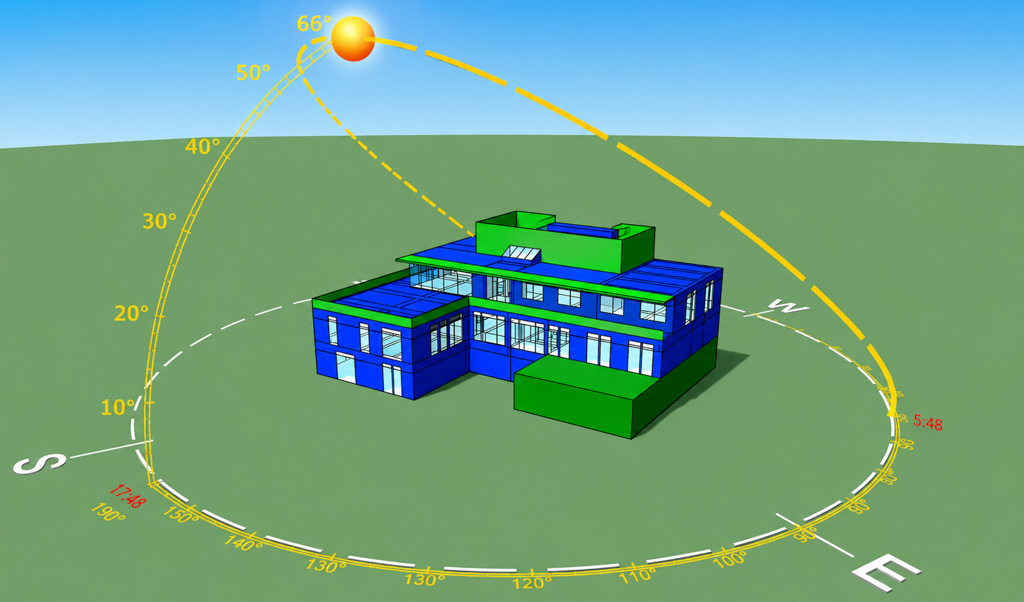
Using dynamic simulation modelling (DSM), we assess how buildings respond to real operating conditions, occupancy patterns and future climate scenarios.
Our analysis includes:
- Overheating assessments in line with Part O, CIBSE TM52 and TM59 guidance
- Future climate change resilience testing
- Fabric and glazing performance optimisation
- Passive design strategies including shading and ventilation
This enables design teams to mitigate overheating risk and develop robust, future-proof solutions
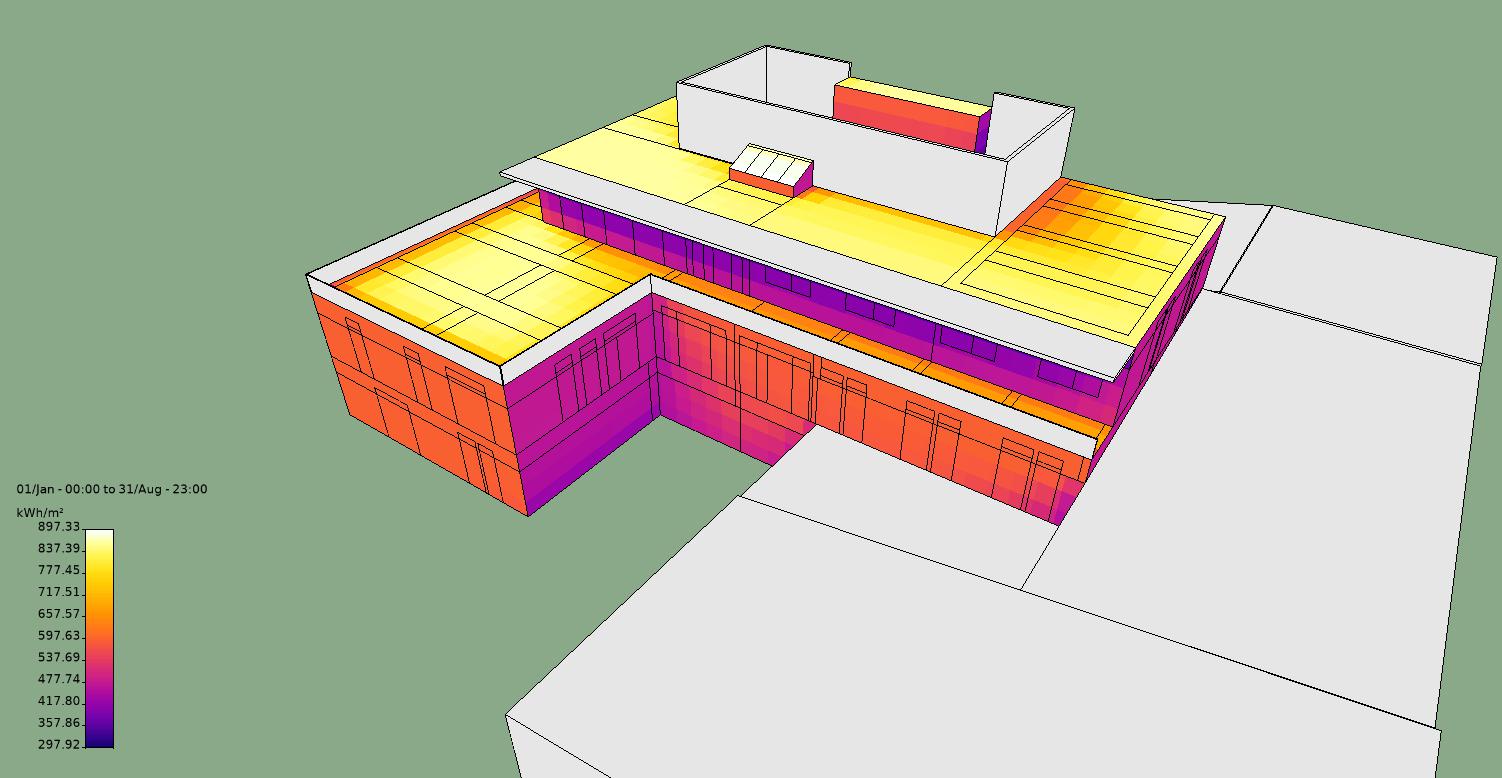
Compliance & Regulatory Modelling
We support projects in meeting statutory and certification requirements through:
- SAP calculations for residential development
- SBEM modelling for non-domestic buildings
- Part L compliance dynamic simulation modelling and reporting
- EPC for assessments for all building types
These assessments provide a clear pathway to meeting Building Regulations and form a critical part of the planning and design process.
Closing the Performance Gap
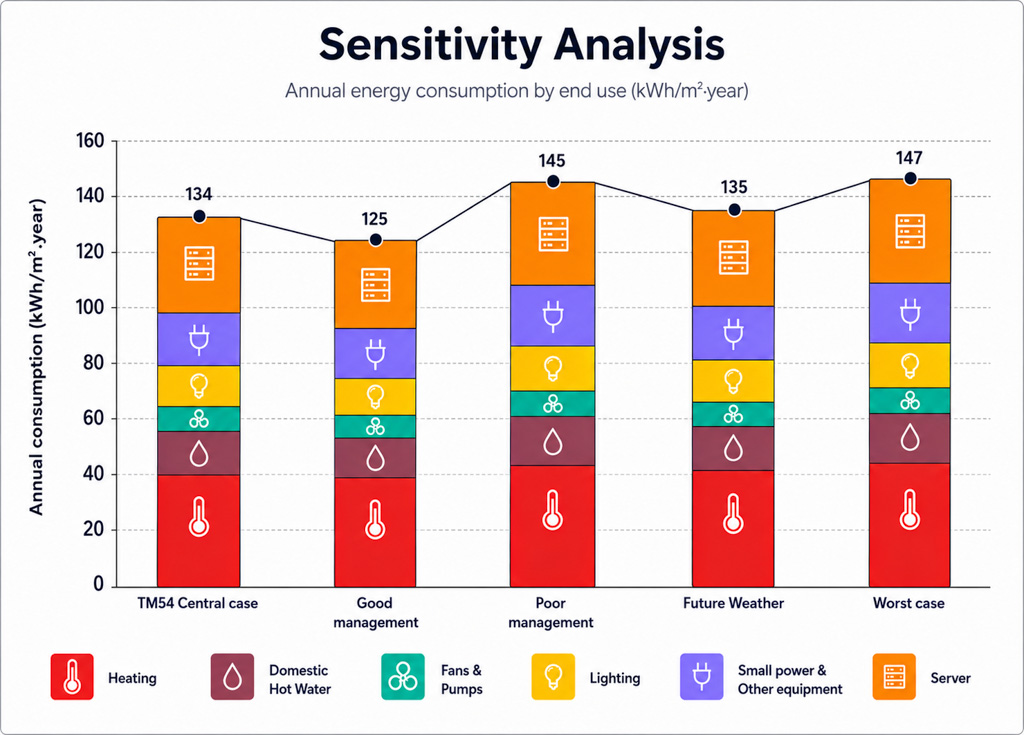
We also undertake operational energy modelling (TM54) to provide more realistic predictions of in-use energy performance, helping to bridge the gap between design intent and actual operation.
By integrating compliance modelling, dynamic simulation and building physics analysis, we provide a holistic understanding of performance — enabling better decisions, reducing risk and delivering buildings that perform as intended.
Thermal Bridging Analysis
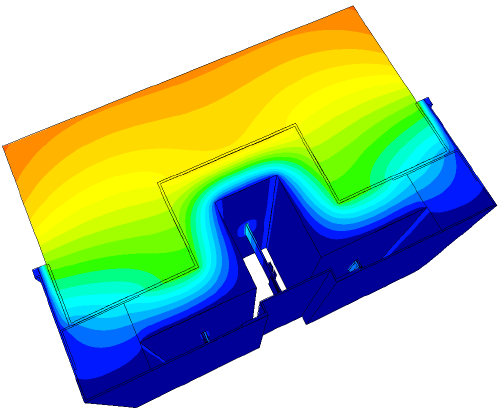
Thermal bridges can significantly increase heat loss and create risks of surface condensation if not properly addressed. At SDS, we provide detailed thermal bridging analysis to support compliant, high-performance building design.
We undertake both 2D and 3D modelling to assess heat loss through junctions and internal surface condensation analysis, calculating accurate Ψ-values and fRsi values for use in SAP, SBEM, dynamic energy models and Passivhaus projects.
- 2D modelling for linear junctions
- 3D modelling for more complex details
By integrating thermal bridging into the wider design approach, we help ensure buildings perform as intended in practice.
From early-stage energy strategies to detailed thermal modelling and optimisation, we provide practical, evidence-based guidance to support robust, compliant and high-performing designs. Whatever stage you’re at, our team is ready to help.