
The Al-Qasimi Building


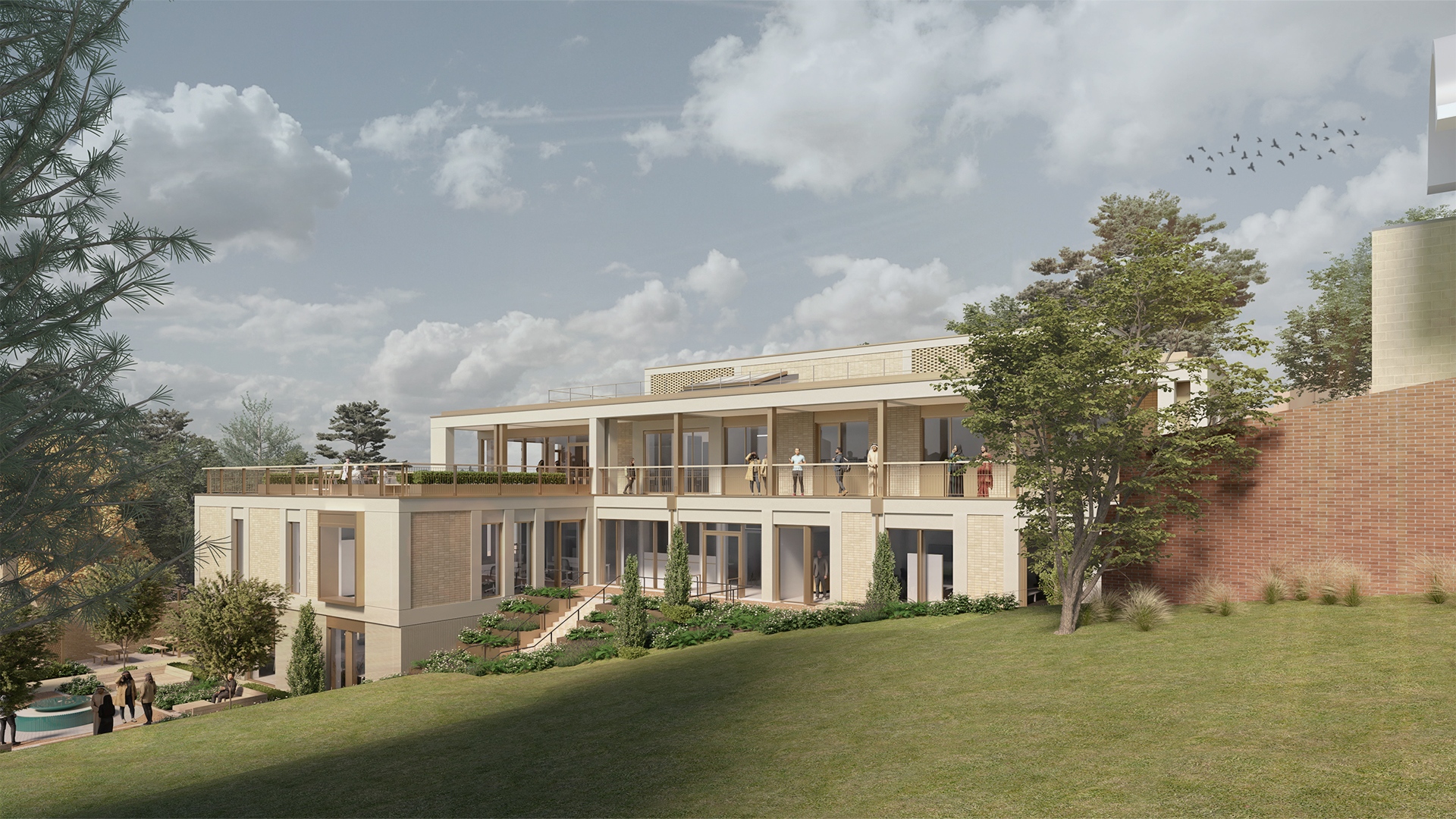
Creating a future-ready academic environment that seamlessly supports hybrid learning, collaboration and low-energy performance.
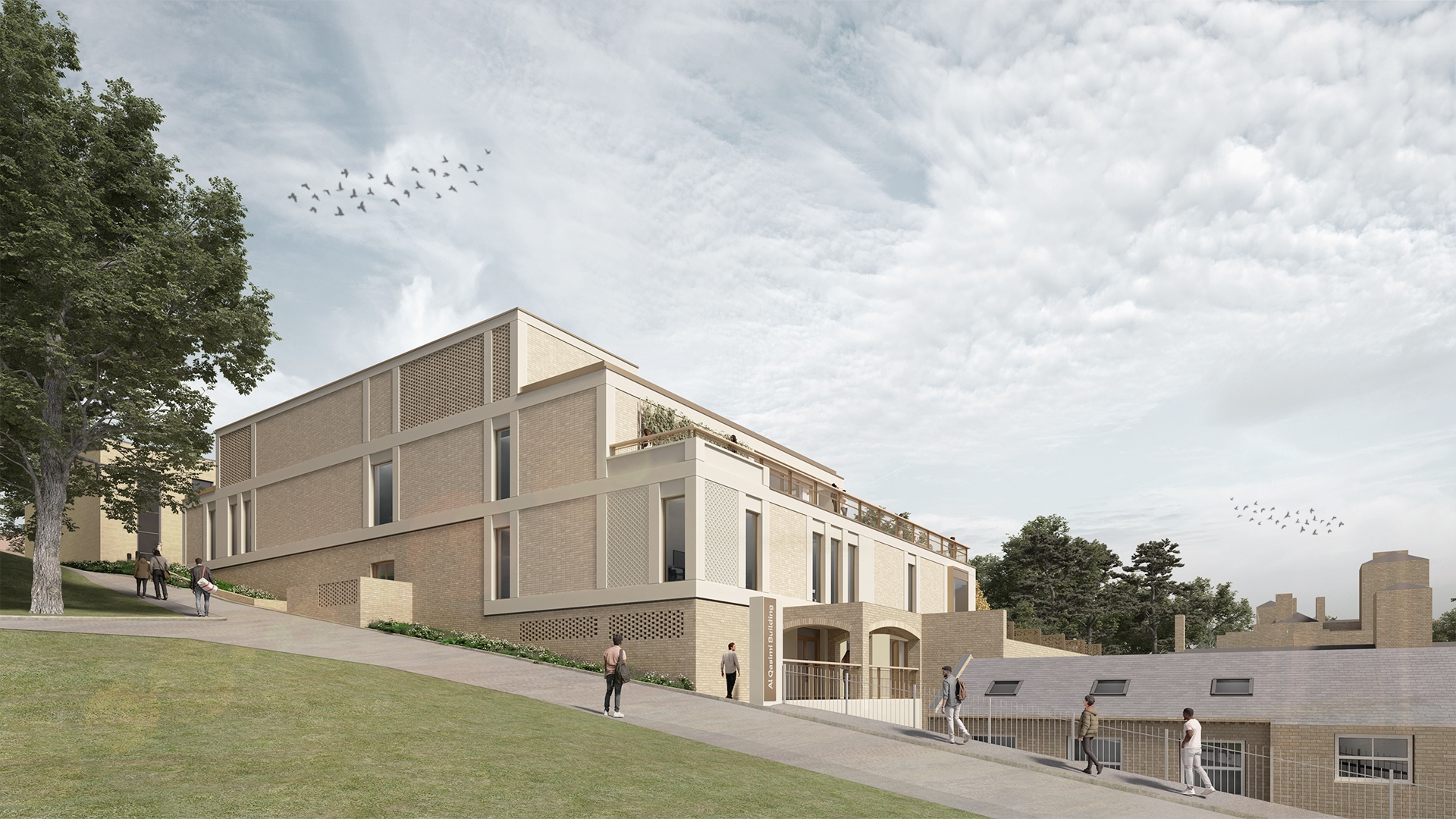
The Al-Qasimi Building delivers a new interdisciplinary academic environment supporting hybrid teaching, collaborative research and international engagement.
The development integrates digitally enabled teaching, collaboration and social learning spaces alongside the existing IAIS building, creating an inclusive, high quality environment aligned with Passivhaus certification and future net zero carbon performance.
Images courtesy of AtkinsRealis
SDS delivered a highly detailed MEP design for the Al-Qasimi Building, supporting the project’s ambition to achieve Passivhaus certification, an all-electric strategy and future net zero carbon performance. Our role extended beyond conventional building services design, with the team working closely with the certified Passivhaus Designer to align the MEP strategy with the stringent performance, comfort and energy requirements of the standard.
Every aspect of the MEP design was carefully considered to support Passivhaus performance. This included minimising distribution routes, reducing transmission losses, improving buildability and limiting embodied carbon through efficient services coordination. SDS coordinated plantrooms, risers and service zones within a constrained live campus environment, using BIM-led design to reduce coordination risk and support the MMC-led construction approach.
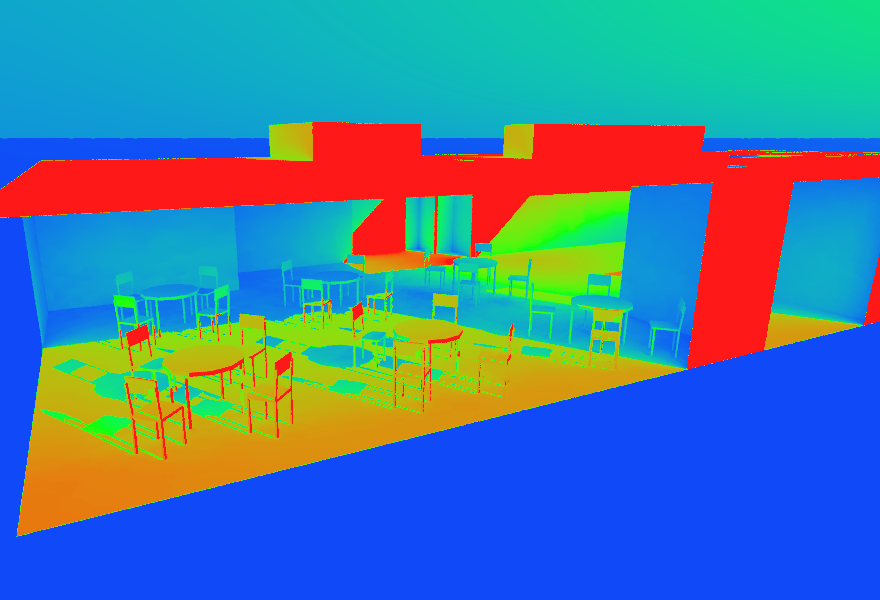
SDS undertook detailed daylight modelling in accordance with the Department for Education’s Technical Annex 2E requirements for daylight and electric lighting, demonstrating that the design achieved appropriate levels of natural light, visual comfort and glare control across teaching, research and collaboration spaces. This supported the creation of high-quality internal environments while helping to reduce reliance on artificial lighting and align the building with its low-energy, Passivhaus and net zero carbon objectives.
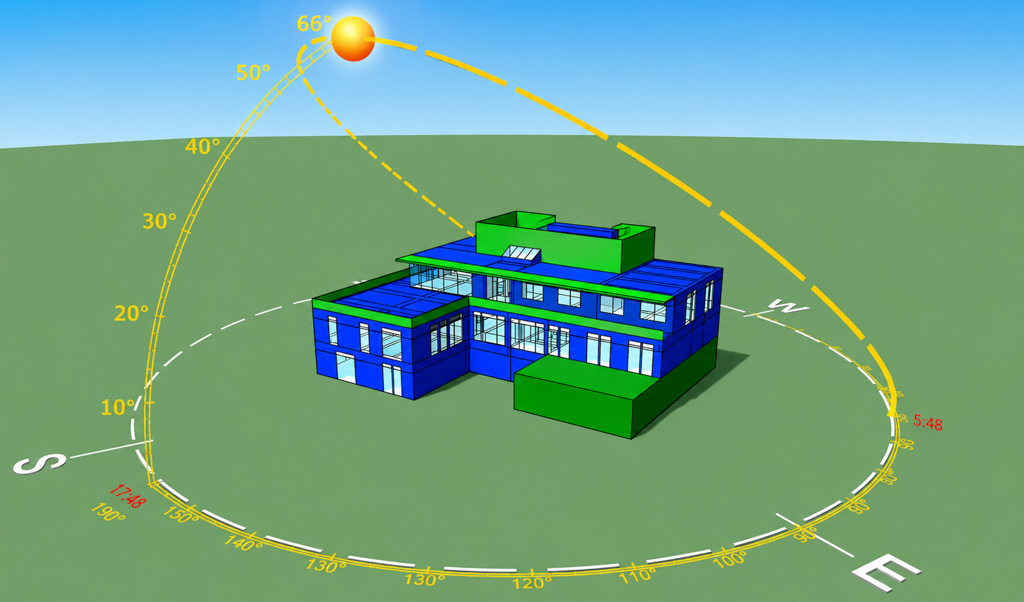
Dynamic thermal modelling for comfort, energy & renewables optimisation
SDS supported the PHPP energy modelling process with dynamic thermal modelling, providing robust analysis for both occupant comfort and deep energy performance. This ensured the design was tested against realistic operational conditions and optimised to minimise energy demand, overheating risk and long-term carbon impact.
A fully integrated PV array was designed to support the building’s all-electric and zero carbon strategy, working alongside an air source heat pump approach to provide efficient, low-carbon heating and cooling. Heating, cooling and ventilation systems were developed around centralised MVHR with variable air volume (VAV) control, responding intelligently to occupancy, temperature and CO₂ levels to maintain excellent internal environmental quality while reducing energy consumption.
Involvement
- Passivhaus-aligned MEP strategy development
Worked collaboratively with the Passivhaus Designer to translate stringent performance targets into coordinated, buildable services solutions. - Integrated design approach using digital engineering
BIM-led coordination of plant, risers and service zones reduced clashes and supported an MMC-driven delivery programme. - Performance modelling beyond compliance
Delivered dynamic thermal modelling to complement PHPP, giving a more realistic picture of comfort, energy use and operational performance. - Daylight and visual comfort analysis
Undertook detailed modelling to optimise natural light levels, reduce reliance on artificial lighting, and enhance occupant experience. - Embodied carbon-conscious services design
Rationalised layouts and reduced distribution to limit material use and associated carbon impacts at design stage. - Low-carbon systems integration
Designed and coordinated the building’s PV and heat pump strategy to support a fully electrified, future net zero solution.
Benefits delivered
- Future-proofed academic environment
Designed to support evolving teaching models, enabling seamless transition between in-person, digital, and hybrid learning formats while maintaining high environmental performance. - Reduced long-term energy and carbon exposure
All-electric strategy combined with on-site renewables and low energy demand significantly lowers operational costs and aligns with long-term net zero ambitions. - Enhanced occupant wellbeing and productivity
High levels of daylight, thermal comfort, and air quality support better learning, collaboration, and research outcomes. - Deliverability within a constrained live campus
Careful coordination and planning minimise disruption, enabling construction alongside existing university operations.
- High-quality, flexible learning and research spaces
Integrated teaching, collaboration and social areas create a more dynamic and inclusive user experience across disciplines. - Reduced lifecycle risk through performance-led design
Design decisions tested against realistic conditions reduce overheating risk, energy underperformance, and future retrofit requirements.
Get in touch
Your vision, our expertise – engineering a more sustainable world together.