
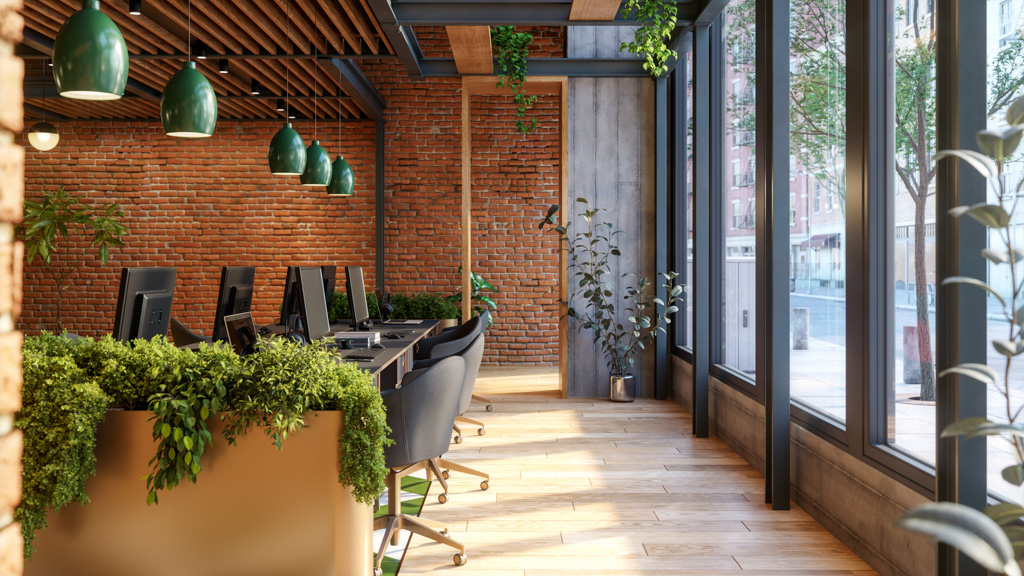
Daylight Design & Modelling
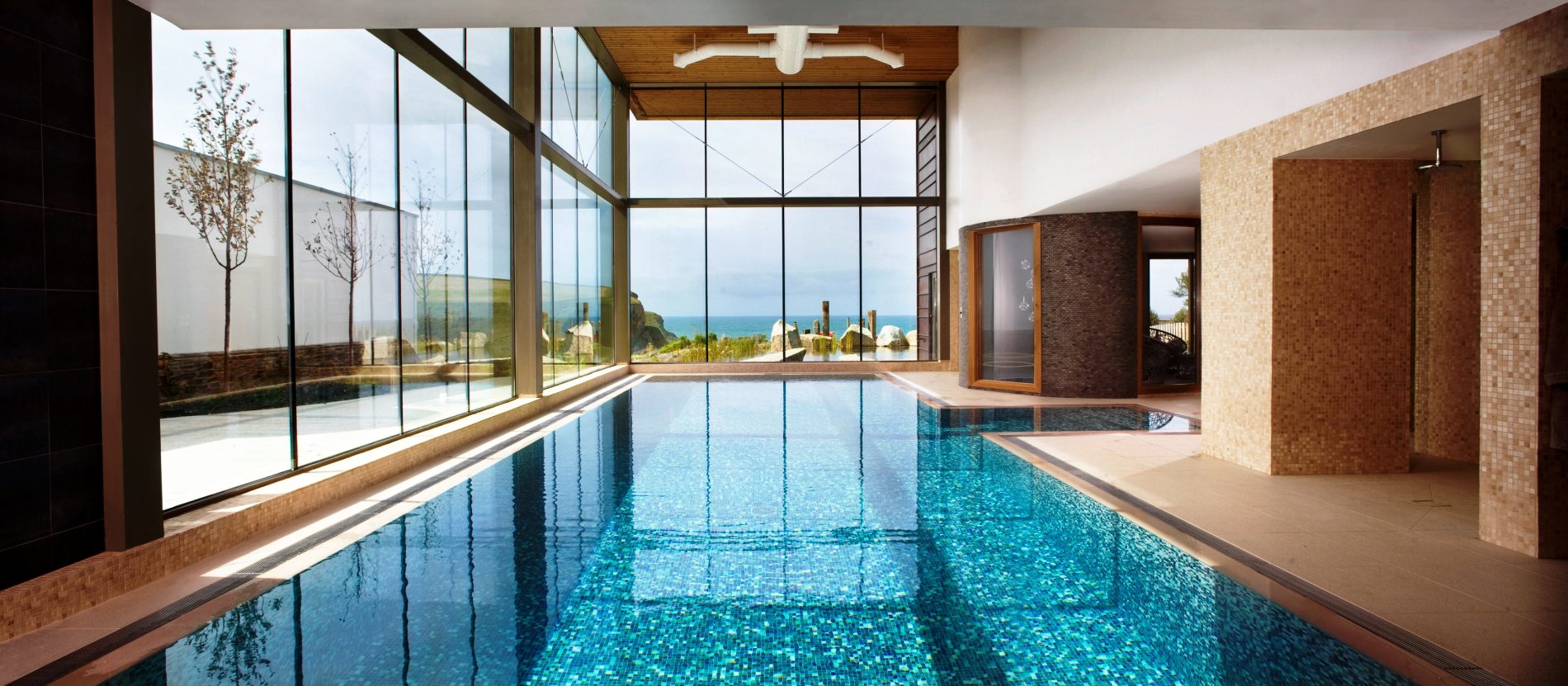
Our Daylight Design Service
Daylight is a fundamental aspect of building performance, influencing energy use, occupant wellbeing and overall indoor environmental quality. At SDS, we use advanced daylight modelling to inform design decisions from the earliest stages, ensuring spaces are naturally bright, comfortable and efficient.
Our daylight analysis forms part of our wider Building Performance approach, combining robust simulation tools with practical design insight to optimise building form, façade design and glazing strategies. This enables us to maximise useful daylight while carefully managing glare, solar gain and overheating risk.
Evidence-Based Design
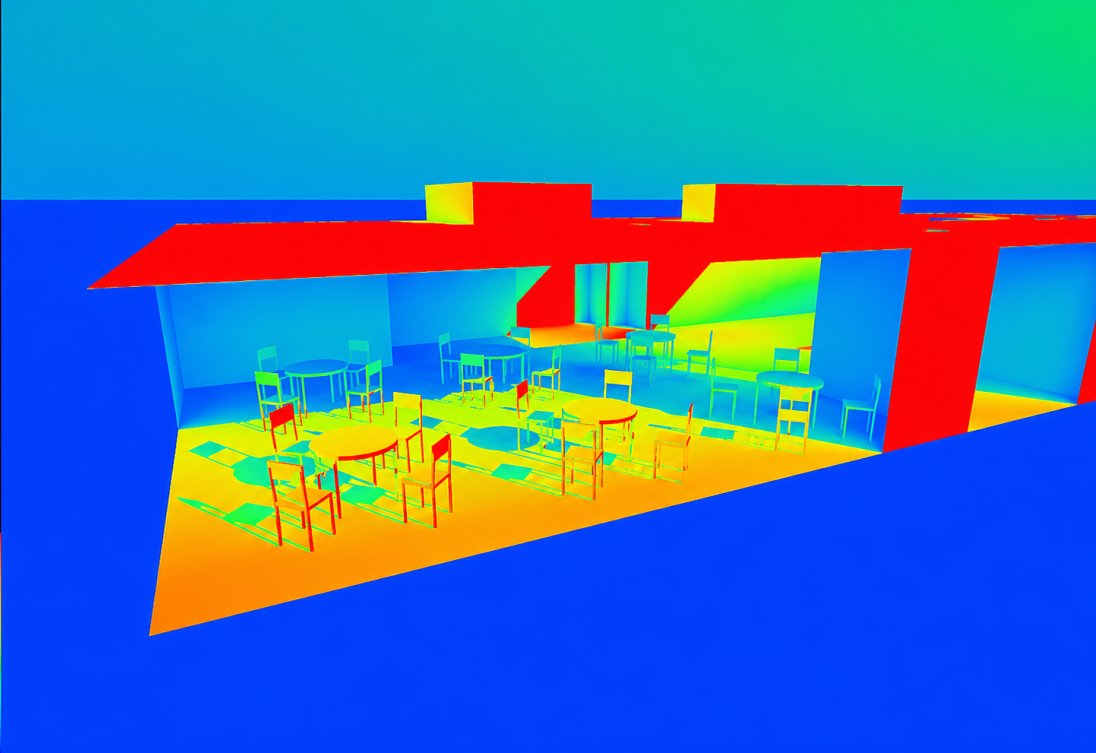
We undertake a range of daylight studies to assess performance against recognised standards and project aspirations, including climate-based daylight modelling, daylight factor analysis (BS 8206-2), BREEAM and WELL assessments, solar shading and façade optimisation, glare analysis, and Right to Light studies.
Our assessments follow BRE guidance, providing robust outputs to support planning and detailed design.
We use Climate-Based Daylight Modelling (CBDM) to understand how light performs throughout the year using local weather data, with key metrics including:
- Useful Daylight Illuminance (UDI)
- Spatial Daylight Autonomy (sDA)
- Daylight Factor
- Uniformity
This dynamic approach enables informed design decisions, supporting energy efficiency and helping achieve planning and sustainability targets.
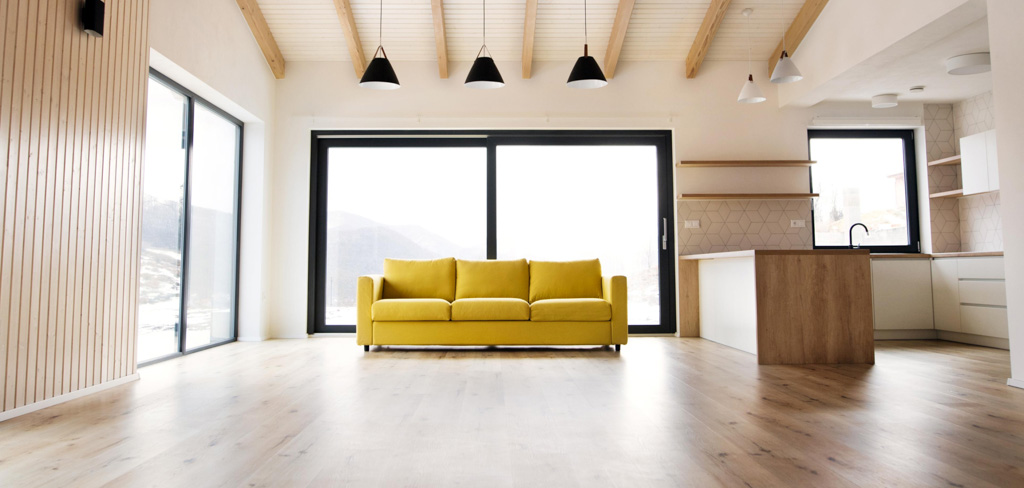
Improving Building Performance
By integrating daylight modelling into the design process, we help to:
- Maximise natural light levels within internal spaces
- Reduce reliance on artificial lighting and associated energy use
- Enhance occupant comfort, productivity and wellbeing
- Minimise glare and visual discomfort
- Inform lighting controls and daylight dimming strategies
These insights allow design teams to balance architectural intent with measurable performance outcomes, ensuring that buildings work as intended in operation.
Integrated Approach
Daylight modelling at SDS does not sit in isolation. It is integrated with our wider building performance services — including energy modelling, overheating analysis and ventilation modelling — to provide a holistic understanding of how design decisions interact.
This joined-up approach helps to reduce performance gaps, manage design risk and deliver low-energy, comfortable and resilient buildings.
From early concept testing to detailed design optimisation, we provide clear, practical guidance to help projects achieve the best possible daylight outcomes. Whatever stage you’re at, our team is ready to help.